
Serengeti National Park the ‘world rich’ is the most prominent park for Tanzania safaris and it is where the spectacular Serengeti Wildebeest Migration parked almost throughout the year before crossing Mara River on their way to Masai Mara Game Reserve in Kenya.
It is obvious that Serengeti National Park can be visited throughout the year as the wildlife richness is undisputed. However, driest months from June to mid-March with exceptional of October can be the best time to visit Serengeti National Park for safari with the precence of Wildebeest Migration. Please read below to see their movements in the vast Serengeti plains. But with or without the presence of migration herds Serengeti National park is still the best place to visit.
The Park is located in Northern Tanzania & it bordered Masai Mara Game Reserve in Kenya to form Serengeti Masai Mara ecosystem which is probably the oldest ecosystem in the world home to a larger number of wildlife found nowhere else on earth.
To visit this Great Tanzania’s safari Park, please see our sample long and short Tanzania safari packages which includes Serengeti National Park. However, to see all packages please visit our page – Tanzania safari Packages.
Special wildebeest Migration Packages are:-
- 6 Days Great Wildebeest Migration Safari
- 10 Days Wildebeest Migration safari Package
- 8 Days Serengeti Wildebeest Migration Calving Season
Serengeti National Park in Africa
When thinking of where to go for wildlife safari and beach holidays in Africa. You should think of Serengeti National Park in Tanzania and Zanzibar beach. Where is Serengeti National Park one would ask, the answer is plan now to visit this Great safari destination in Africa and you will never forget the experience. Please see steps of how to book a tanzania safari with us.
Serengeti National Park is the largest National Park in East Africa in a country called Tanzania. Serengeti is home to millions of wild animals small and the big. The Serengeti National Park make what is called Serengeti Masai Mara ecosystem which combine several Tanzania’s Game Reserves like Maswa Game Reserve, Grumeti Game Reserve, Loliondo and Ikorongo Game Controlled area as well as a part of Ngorongoro Conservation Area bordering Southern Serengeti. This extension is also include Masai Mara Game Reserve in Kenya.
Serengeti National Park History
The name Serengeti was derived from a word ‘Siringet’ by Masai the nomadic people’s language of (maa) that merely means the endless plains, the word itself is enough explanation of the legendary African Savannah “Serengeti”. The Park was established during fortress conservation times where two big tribes of Masai and Kuria were moved out of the Serengeti. Kuria tribe were forced to go to the areas around Lake Victoria while Masai were moved towards Southern Serengeti and to the highlands of Ngorongoro. Later in 1951 Serengeti was announced as National Park.
Serengeti National Park is the Tanzania’s oldest park covering an area of about 14,763 squire km of endless rolling plains, which spread up to the Kenyan border and extends almost to Lake Victoria. Serengeti is endowed with magnificent wildlife and it is of no doubt that it is the most famous wildlife area in Africa. UNESCO has established two World heritage site and two Biosphere Reserve in this area. Its unique environment has inspired writers, film makers as well as numerous photographers and scientists in the world.
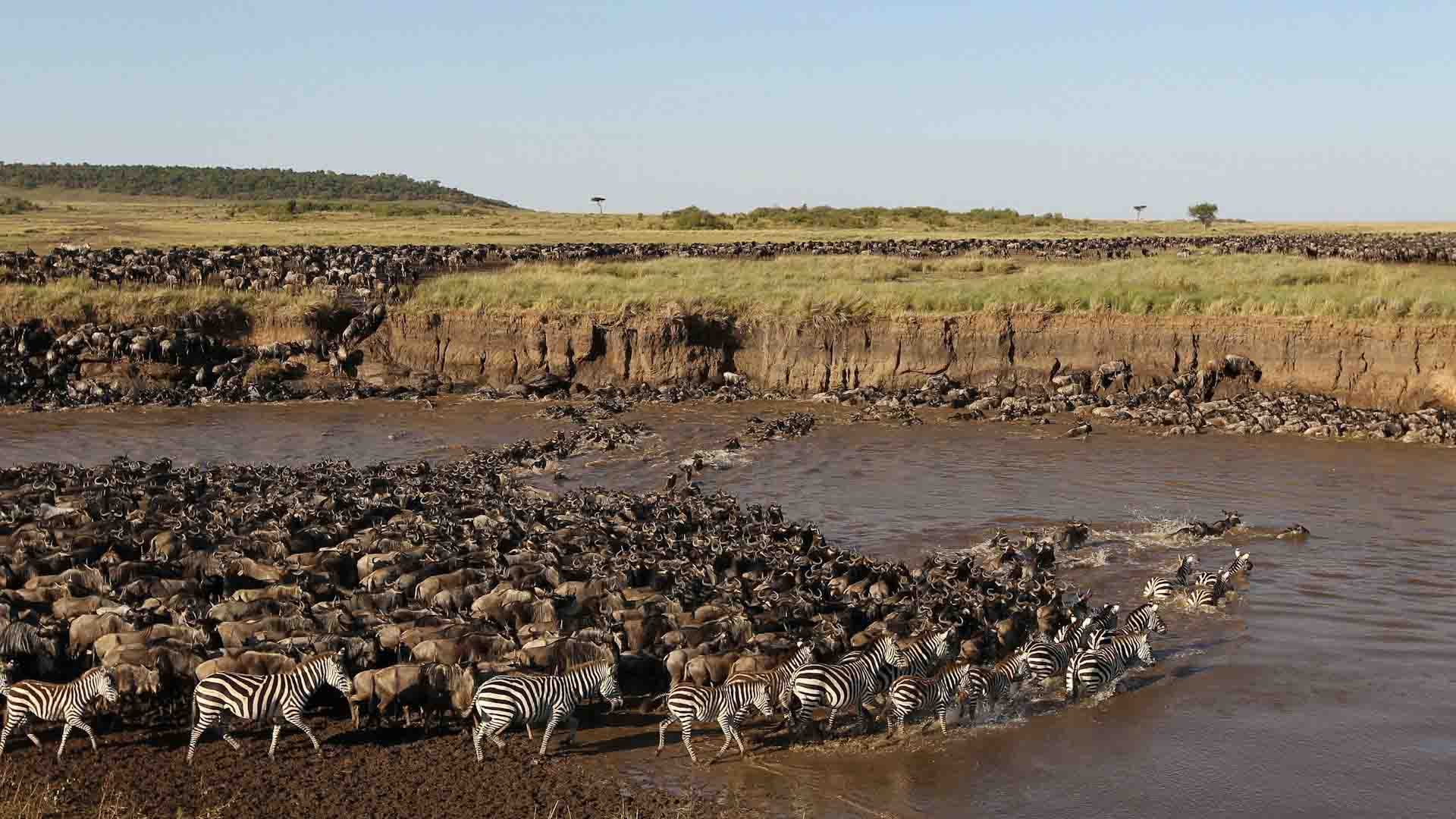
Serengeti is where the world renowned Great Wildebeest Migration spending most of their time in Tanzania from the months of November up to mid-August. This movement of mass wild animals back and forth from Serengeti to Masai Mara Game Reserve in Kenya is a world natural phenomenon which involves more than 1.5 million of wildebeest and thousands of zebra and gazelles walking thousands of miles in search of green pastures & water. In Serengeti National Park Wildebeest Migration seems to have outshine the richness of resident animals and birds life that flourish in the Serengeti yearly around but the truth is Serengeti is always a wonderful place to visit with or without the presence of the migration herds.
Overview & Insight: Best time to Visit Serengeti National Park
The Serengeti National Park in Tanzania is one of the world’s premier wildlife destinations, a UNESCO World Heritage Site spanning nearly 15,000 square kilometers (about 5,700 square miles) of vast plains, acacia-dotted landscapes, kopjes (rocky outcrops), Rivers, and woodlands.
It’s world-famous for hosting the Great Wildebeest Migration, often called one of the planet’s greatest natural spectacles, involving over 1.5–2 million wildebeest, 200,000–250,000 zebras, and hundreds of thousands of gazelles and other herbivores in a continuous, circular journey driven by rainfall and fresh grazing.
Key Wildlife and Attractions
The park boasts incredible biodiversity:
- Big Five and predators: Highest lion density in Africa (around 4,000), plus leopards (about 1,000), cheetahs (around 550), elephants, buffaloes, and rhinos (rarer, often in adjacent areas).
- Plains game: massive herds of wildebeest, zebras, Thomson’s and Grant’s gazelles, eland, topi, and more.
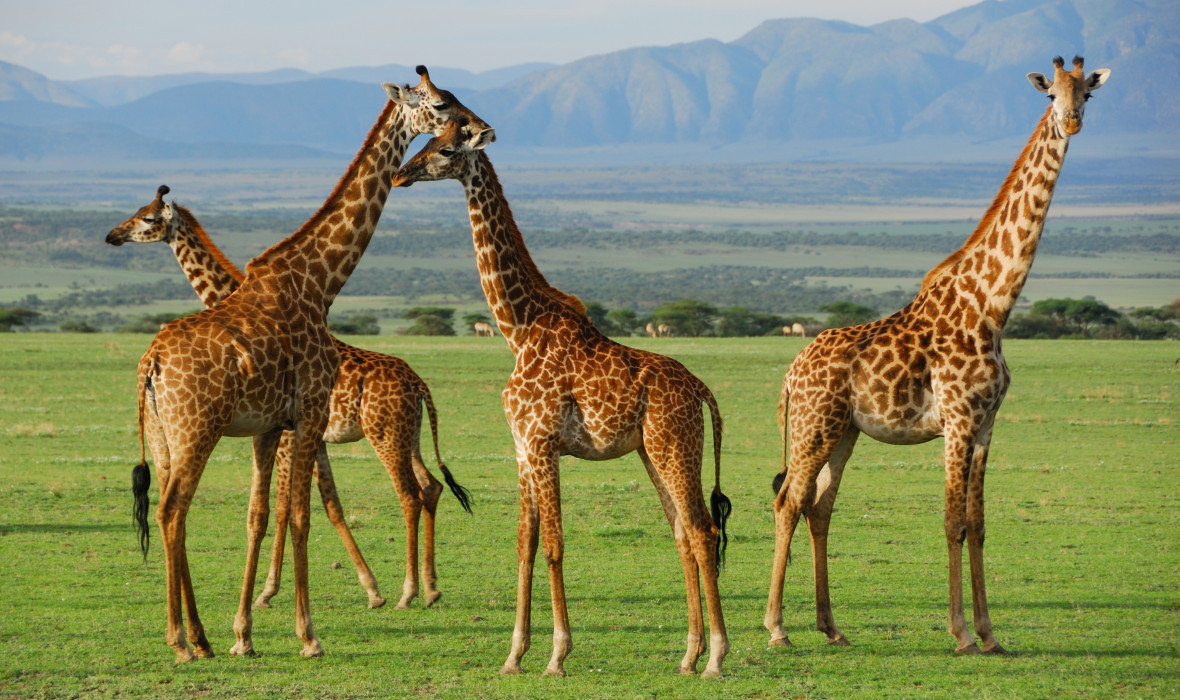
- Other highlights: Hippos in rivers and pools, giraffes, baboons, hyenas, jackals, serval cats, and elusive species like aardvarks or civets.
- Birdlife: Over 500 species, including ostriches, secretary birds, eagles, flamingos, and colorful migrants.
- Iconic landscapes: Endless short-grass plains in the south (great for calving season), Seronera River Valley (central, year-round water attracting predators), Moru Kopjes (rock formations ideal for big cats), Western Corridor (Grumeti River area), Northern Serengeti (Mara River region), and Lobo Valley.
Major attractions and activities include:
- Game drives (morning, afternoon, or full-day) in 4×4 vehicles — the primary way to spot wildlife, with expert guides tracking animals.
- Hot air balloon safaris at sunrise — a magical, bird’s-eye view over the plains and herds (highly recommended for a bucket-list experience).
- Bush walks or guided nature walks (in select areas or nearby reserves).
- Visiting the Serengeti Visitor Centre — exhibits on ecology, history, and the migration.
- Cultural encounters — interactions with Maasai communities (often near park edges).
- River and hippo pools (e.g., Retima Hippo Pool).
- Olduvai Gorge (nearby, famous for early human fossils; often combined on tours).
The park’s vast size means different regions shine at different times — central Seronera is accessible year-round, but remote northern or western areas require planning.
Best Time to Visit Serengeti National Park
The Serengeti is a year-round destination with excellent wildlife viewing always possible, but the best time depends on your priorities (e.g., migration stage, crowds, budget, or weather). Tanzania has two rainy seasons and two dry seasons, with mild temperatures (typically 20–30°C / 68–86°F daytime, cooler nights).
| Period | Key Highlights & Migration Stage | Weather & Conditions | Crowds & Costs | Recommendation |
| December–March (especially Jan–Feb) | Calving season in southern plains (Ndutu area): ~8,000 births/day, predator action (lions, cheetahs, hyenas). Lush green landscapes. | Short rains (Nov–Dec), then hotter/drier; occasional afternoon showers. | Moderate crowds; lower prices outside peak holidays. | Excellent for newborns, birding, fewer vehicles; great alternative to dry season. |
| April–May | Long rainy season; migration moves north/west. Greener scenery, fewer tourists. | Heavy rains; some roads muddy, lodges may close. | Low crowds; best budget time. | Good for solitude and value if you don’t mind rain. |
| June–July | Migration in Western Corridor (Grumeti River crossings); herds gather, predators active. Dry season starts. | Dry, sunny; vegetation thins, animals concentrate at water. | Increasing crowds; higher prices. | Prime for dramatic crossings and general viewing. |
| August–September | Peak migration in Northern Serengeti: Iconic Mara River crossings (crocodiles, chaos). Herds split, some in Kenya’s Masai Mara. | Very dry; excellent visibility. | Peak crowds (especially Aug); highest prices. | Best overall for the “classic” migration spectacle (river crossings). |
| October–November | Migration returns south through Lobo area; short rains begin. Resident wildlife strong. | Transition: dry to greener; some rain. | Decreasing crowds; good value. | Strong all-round viewing, fewer people. |
Overall best times:
- For the Great Migration spectacle (river crossings, dramatic action): July–October (peak dry season, especially August–September for Mara River).
- For calving/predator action and greener scenery: January–February.
- For fewer crowds and lower costs: March–May or November (green season, but wildlife remains excellent).
- Avoid if possible: Peak July–August if you hate crowds/expense; April–May if you dislike rain.
Weather is generally pleasant and malaria risk lower in dry months. The migration’s exact timing varies yearly with rains, so flexible itineraries (or expert guides) help. Combine with nearby Ngorongoro Crater, Tarangire, or Zanzibar for a full Tanzania trip.
If you’re planning a visit, focus on a multi-day safari with a reputable operator (Back to Africa Safaris) for the best experience — the Serengeti truly delivers unforgettable wildlife moments!
The African big 5 which include lion, leopard, cape buffalo, African elephant & the rare black rhino can occasionally spotted in the Serengeti plains following recent introduction of black rhino. You may also expect to see other animal like topi, eland, impala, gazelles, hyenas, cheetahs, jackal, baboons, monkey, foxes, pangolin, carcal, python, bush pigs, bush bucks, bat eared foxes & large birds like hammer kops, Kori bustards, secretary birds, ostriches among others in facts it will take ages to list animals and birds found in the wild rich Serengeti National Park.
Our best safari packages for Serengeti National Park are mostly combine other Northern Tanzania safari parks like Lake Manyara, Tarangire and the Ngorongoro Crater. However, Serengeti safari can still be done independently starting from 3 days, two nights and above. Serengeti National Park hot air balloon can also be done during your safari in Serengeti but it has to be booked well in advance.
Accommodation in Serengeti can be rated to fit your ideas, budget & preferences. You can stay in lodges, tented camps or campsites and enjoy the most of our wild Tanzania. Please contact our Safari experts to get a professional advice on where to go and to stay based on your budget. On our person experience we value first-hand experience and consistent inspection. Serengeti National Park Shall Never Die!