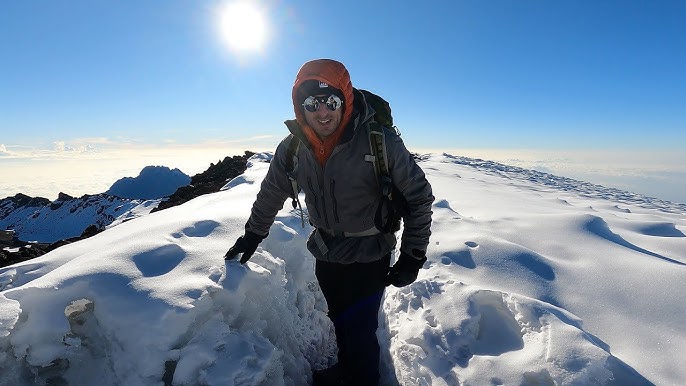
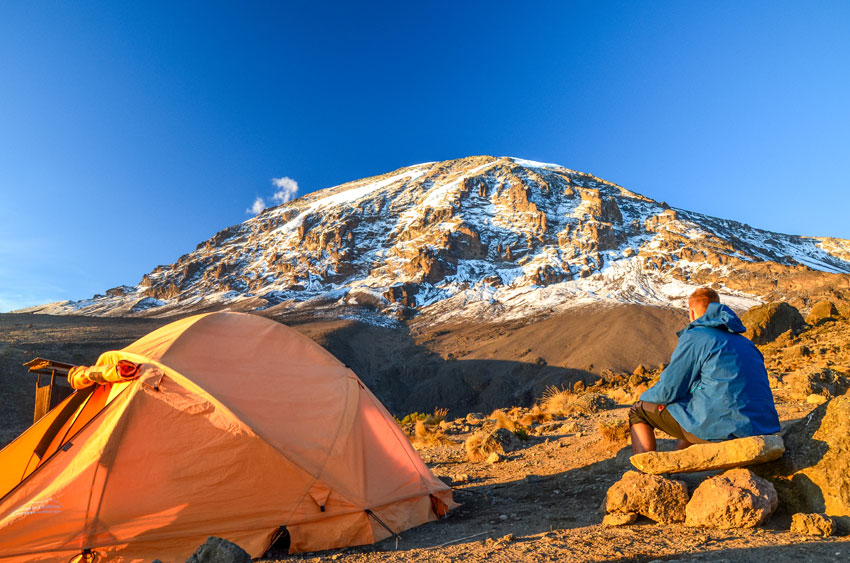
What to Pack for Kilimanjaro Trekking is an important factor as in order to accomplish your dream of reaching the summit of this Iconic destination in Africa proper gear plays a big role. Altitude sickness is a number one obstacle to your Summit success therefore proper gears for Kilimanjaro Trekking Tour can increase your chance of reaching the highest point of African landmass “Uhuru Peak” at 5895 meters above the see level.
Essential Packing List for Climbing Mount Kilimanjaro
Climbing Mount Kilimanjaro involves passing through five climate zones, from humid rainforest (warm and wet) to arctic summit conditions (as low as -20°C/-4°F at night). The key to comfort and success is layering with moisture-wicking, quick-dry materials (avoid cotton—it retains moisture and can lead to hypothermia). Pack light: your main duffel bag (carried by porters) is limited to 15kg (33lbs), including sleeping gear. Many items like sleeping bags, mats, and poles can be rented in Tanzania.
Top Tips & Advice:
- Layering system: Base (wicking), mid (insulating), outer (waterproof/windproof).
- Break in boots beforehand to prevent blisters.
- Carry essentials in your daypack (25-35L); duffel is inaccessible during the day.
- Prepare for rain any time—waterproof gear is non-negotiable.
- Stay hydrated: carry 3-4L water capacity daily.
- Rent heavy items (sleeping bag rated to -15°C/-20°C or lower) to save weight.
- Pack in dry bags/stuff sacks for organization and rain protection.
- Bring high-calorie snacks for energy.
Many operators rent items like sleeping bags, pads, and poles—check yours to avoid duplicates. Break in boots well in advance to prevent blisters.
Tips: What to Pack for Kilimanjaro Trekking
- Don’t overpack—most regret bringing too much.
- Pack critical items (boots, jacket) in carry-on for flights.
- Test gear on training hikes.
- Break in your gear: Especially boots—wear them on hikes to avoid blisters.
- Rent vs. buy: Rent bulky items like sleeping bags (-15°C/-20°F rated), trekking poles, or down jackets in Tanzania to save on luggage.
- Daypack essentials: Carry daily needs (water, rain gear, snacks, camera) in a 25-35L pack, as you won’t access your duffel until camp.
- Water & hydration: Bring wide-mouth bottles (2-3L capacity) or a bladder; water freezes easily at high altitude.
- Weight & organization: Use dry bags or Ziplocs inside your duffel for waterproofing.
- Summit night prep: Save your warmest, driest layers for the coldest push
This consensus draws from top guides (At Back to Africa Safaris) and climber experiences. Adjust for season (dry: Jun-Oct/Dec-Mar) and route length. Safe climbing—pole pole (slowly slowly)!
Bellow is our Recommended Kilimanjaro Packing List.
Head gears 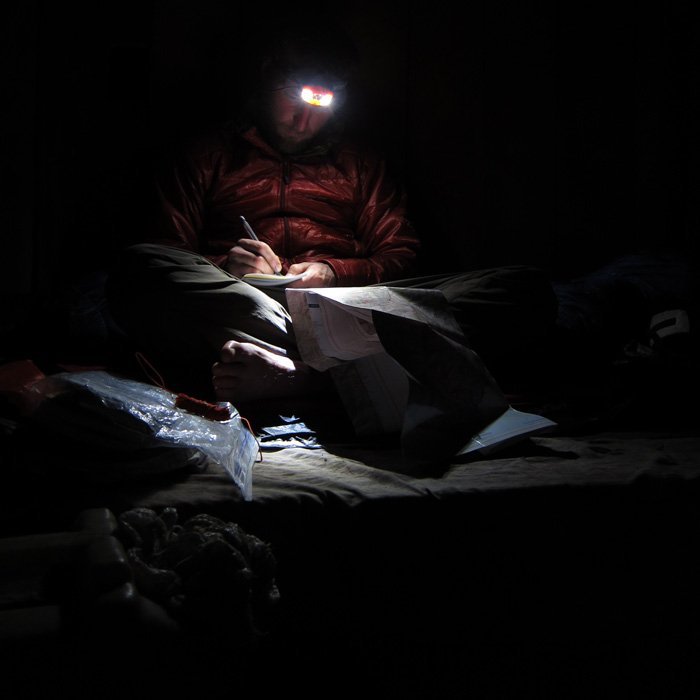
□ Sun Hat, ideally with a neck cover
□ Warm Beanie or Fleece Headband
□ Buff or Neck Gaiter
□ Headlamp
□ Sunglasses
Hands and Walking
□ Lightweight Inner Gloves
□ Warm Outer Gloves / Mittens
□ Adjustable Trekking Poles
Footwear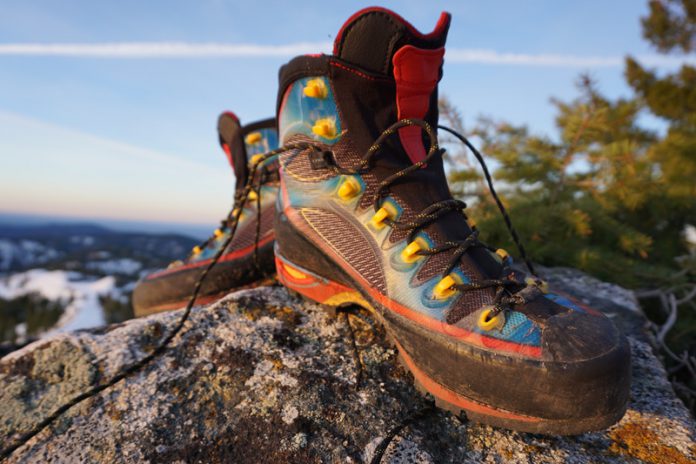
□ Mid-weight Hiking Boots
□ Camp Trainers – Trekking Sandals
□ 4-5 Pairs of Trekking Socks
□ 1 Pair of Warm – Thick Trekking Socks
Clothing
□ 4-5 Pairs of Underwear
□ Top and Bottom Base Layer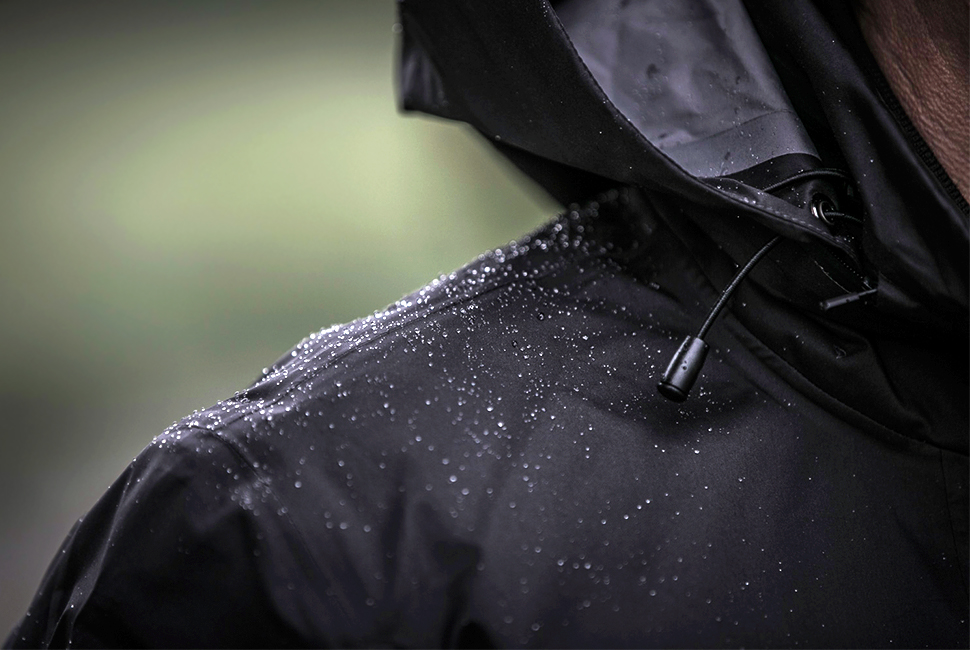
□ 3-4 Short Sleeve and 1-2 Long Sleeve Trekking Shirts
□ 1-2 Pairs of Hiking Trousers
□ 1 Fleece Jacket
□ 1 Insulated Trekking Pants
□ 1 Insulated Winter Jacket
□ 1 Hard Shell Jacket
□ Lightweight Rain gear
Bags and Day pack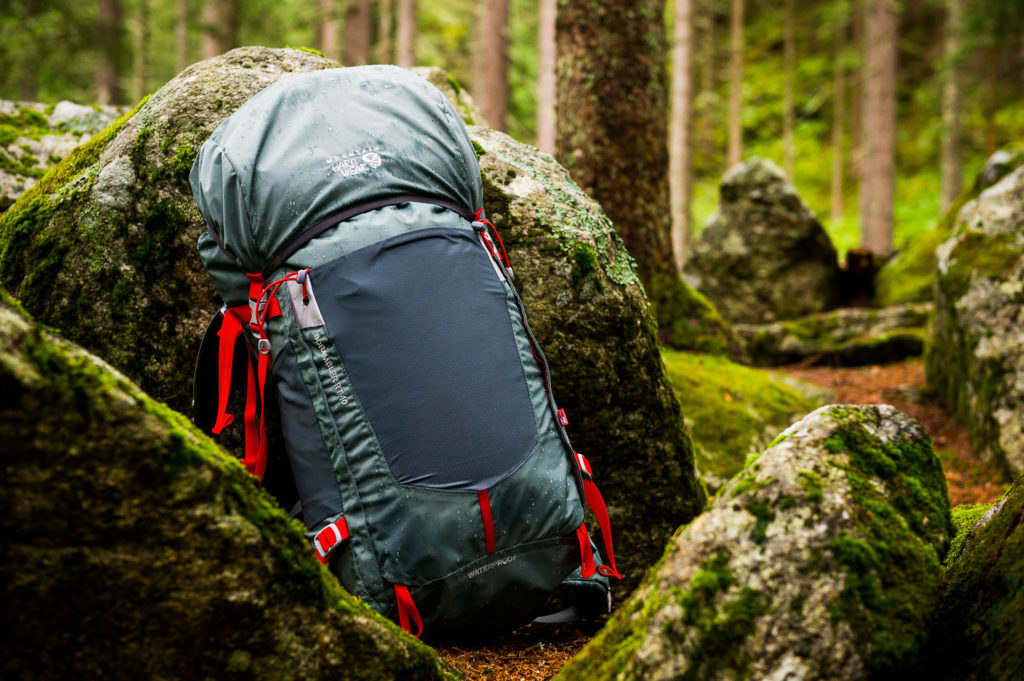
□ 80-90 L Waterproof Duffle Bag
□ 30-45 L Day pack
□ Day pack Rain cover
□ Travel Bag Organizers (Optional)
Sleeping Accessories
□ 4-Season Sleeping Bag
□ Insulated Sleeping Mat – For Marangu route you don’t need this
□ Inflatable Pillow – optional
General Accessories
□ Large Volume Water Bottle or Hydration Bladder
□ Water Purification Tablets
□ Baby Wipes
□ Sweat Resistant Sun cream
□ Blister Platters
□ Insect Repellent
□ General Medications – Paracetamol, Imodium, Diamox
Technology
□ Camera
□ Action Cam (optional)
□ Spare Batteries and Memory Cards
□ Solar Backpack Charger – optional
Other
□ Energy Bars
□ Energy Drink Supplement
□ Zip Lock Bags for Important Possessions (Passport, Money etc.)
□ Trekking Towel
□ Toiletries, including one roll of toilet paper
□ Visa & Passport, Insurance, Vaccination Card – if applicable
□ Lock for your Duffel Bag
Basic Medications for Trekking Kilimanjaro
Climbing Mount Kilimanjaro involves high altitude (up to 5,895m/19,341ft), so the primary health concern is acute mountain sickness (AMS), which affects 75-85% of climbers to varying degrees. Always consult a doctor before your trip for personalized advice, vaccinations, and prescriptions. Get a pre-climb health check, especially if over 50 or with pre-existing conditions.
Key Prescription Medications
- Diamox (Acetazolamide): Widely recommended for preventing AMS. It speeds acclimatization by increasing breathing and oxygen intake.
- Dosage: Typically, 125mg twice daily, starting 1-2 days before ascent and continuing until descent.
- Not mandatory, but studies (e.g., Wilderness Medical Society) show it reduces AMS risk significantly when combined with slow ascent.
- Side effects: Tingling, increased urination, altered taste. Test it at home first.
- Not a cure—descend if symptoms worsen.
- Dexamethasone (Decadron): For severe AMS or cerebral edema (emergency use only, under guide supervision).
- Anti-malarials (e.g., Malarone): Required if spending time below 1,800m (e.g., before/after climb in mosquito areas). Malaria risk is low on the mountain itself.
Essential Over-the-Counter Items for Your Personal Kit
Bring a compact first-aid kit (guides carry comprehensive ones):
- Pain relievers/headache: Ibuprofen or Paracetamol (common for AMS headaches).
- Anti-diarrheal: Imodium (Loperamide) for traveler’s diarrhea.
- Anti-nausea: e.g., for altitude-related sickness.
- Blister treatment: Moleskin, Compeed, antiseptic cream.
- Rehydration: Electrolyte powders/sachets (critical for preventing dehydration).
- Bandages, plasters, antiseptic wipes.
- Sunscreen (high SPF), lip balm, insect repellent (DEET for lower elevations).
- Personal meds: Any ongoing prescriptions.
Guides often carry oxygen, pulse oximeters, and emergency drugs—choose a reputable local tour operator with safety protocols. (Back to Africa Safaris)
General Safety Tips: What to Pack for Kilimanjaro Trekking
Kilimanjaro is a non-technical trek (no ropes/climbing skills needed), but risks include altitude sickness, weather extremes, and minor injuries. About 10 deaths occur annually (mostly altitude-related), with ~1,000 evacuations—risks are low with proper preparation.
Top Safety Practices
- Choose a longer route for acclimatization: 7-9 days (e.g., Lemosho or Machame) allows “climb high, sleep low.” Avoid short routes (5-6 days) with high AMS rates (75-77%).
- Pole pole (slowly slowly): Walk slowly to aid acclimatization—rushing increases AMS risk.
- Hydrate constantly: Drink 3-5 liters of water daily to combat dehydration and AMS.
- Monitor health: Report symptoms (headache, nausea, dizziness) immediately. Guides check vitals twice daily (pulse oximeter).
- Descend if needed: Golden rule—if severe AMS, descend promptly (symptoms often resolve quickly lower down).
- Prepare physically: Train with hikes carrying a pack; good fitness helps but doesn’t prevent AMS.
- Layer clothing: Temperatures range from warm rainforest to sub-zero at summit—pack waterproofs, thermals, gloves.
- Follow your guide: Experienced guides are trained in first aid; reputable operators carry oxygen and evacuation gear.
- Travel insurance: Must cover high-altitude trekking (up to 6,000m) and helicopter evacuation.
- Other tips: Break in boots to avoid blisters; use trekking poles for stability; eat well for energy.
With a responsible operator, proper preparation, and listening to your body, Kilimanjaro is achievable and safe for most fit adventurers. Success rates are ~65-85% on good routes. Our page on what to Pack for Kilimanjaro Trekking can make this incredible journey comfortable & enjoyable one!
Tanzania Visa information
Tanzania visa is required for travelers who are not East African residents, the procedures are quite simple.
Visa
If flying direct to Kilimanjaro international airport (JRO) you can purchase a Tanzania visa at the kiosk on the right hand side of the arrivals foyer. However, visa should be applied in advance as Tanzania high commission deserve the right of deny you a visa upon arrival. In case of flying into Nairobi you will need to arrange a shuttle bus from Nairobi to Arusha, Impala shuttle or Riverside shuttle are the best at the moment. Still you can fly from Nairobi to JRO in one hour. Remember to double check your packing list by following our page What to Pack for Kilimanjaro Trekking.
If taking a shuttle to Arusha, Tanzania visa can be purchased at Namanga border which you are required to cross on your way to Arusha.
We advise to apply & purchase Tanzania visa at Tanzanian Embassy in your country before traveling to Tanzania, this will avoid some inconveniences of queuing at the airport for visa.
Visa costs
Holders of American & Irish passport are required to pay $100 in cash for Tanzania visa, British passport and others the cost is $50 to be paid in cash, same cost applied at the border. Please note that visa application can be made within three months of the date of travel at Tanzanian embassy in your country. Office hours are Monday to Friday: 10:00–12:30.
If you want to find out more about What to Pack for Kilimanjaro Trekking, just drop us a quick message.
We are there for you 24/7. info@backtoafricasafaris.com
For What to Pack for Kilimanjaro Trekking, What sup us: +255 767 014 500