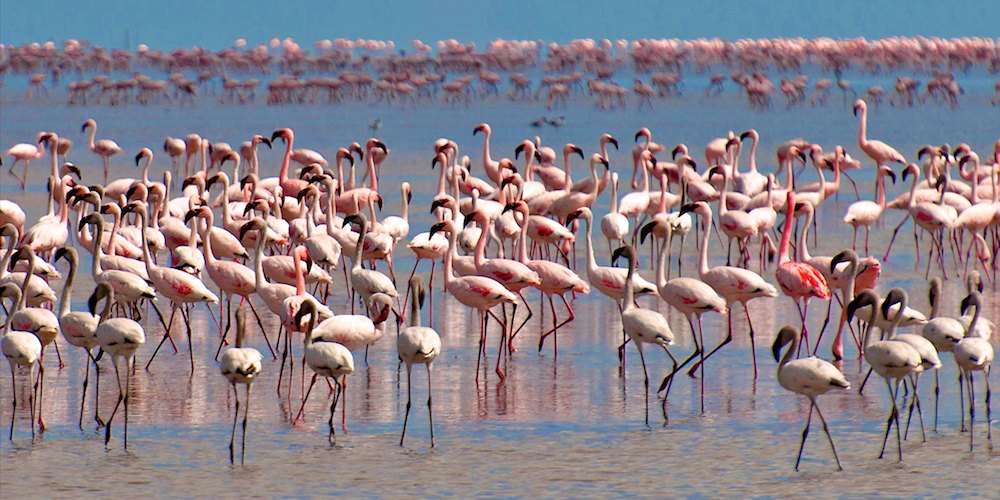
Lake Manyara National Park is one of Tanzania’s most dramatically positioned wildlife area, endowed with a huge but shallow soda lake covering almost two third of the entire park, this park is placed at he base of the Great Rift Valley on its western escarpment. The park offer variety of habitat which attracts many animal species including largest herd of elephant, famous Lake Manyara tree climbing lions as well as large and colorful flocks of flamingos attracted by high concentration of algae. Please see our rates for this Day Trip bellow.
Lake Manyara National Park Tanzania
 Lake Manyara National Park got its name from Masai word for Euphorbia tirucal ‘emanyara’ a milky weed used by masa as hedge to form stockade for their cattle. Lake Manyara National Park covers an area of about 330 square Km of which 200 square Km is the Lake when water level is high. The Park is located in Northern Tanzania about 1.5 hours drive (120 Km) west of Arusha along a newly surfaced road close to the ethnically diverse market town of Mto wa Mbu. Most of our Northern Tanzania safari Itinerary starts with Lake Manyara National Park. Please See more of our Arusha Day trips & Cultural Tours
Mto wa Mbu is a Swahili which means Mosquito Creek. This is a town adjacent to the Great Rift Valley growing fruits and vegetables hence been a busy town selling fruits and vegetables produced around the village. The town has become a temporary stop over for tourists and campers. The park is well known for its beautiful scenary as it stretches 50km from the base of the rusty-gold 600-meter high Rift Valley escarpment with lot of underground water streams flows to the Lake. This ever green Park is home to many animal species and birds which include herds buffalo, elephant, giraffe, baboons, impalas, warthog, hippos etc.
Lake Manyara National Park provides a perfect introduction to Tanzania’s bird life. More than 400 species have been recorded and even a first-time visitor to Africa might reasonably expect to spot about 100 bird species in one day. The highlight include thousands of pink-hued flamingos on their perpetual migration, as well as other large water birds such as pelicans, cormorants and storks. The major unique features of this Park are the famous Lake Manyara tree-climbing lion as well as the Sulfur Springs known as Majimoto (Hot water) located on the Northern tip of the Park.
The Lake Manyara tree climbing lion are occasionally spending most of their day napping along the branches of umbrella acacia trees five to seven meters from the ground.
Lake Manyara National Park Best Time to Visit
The best time to visit Lake Manyara is during dry Season July to October for large mammal viewing and wet season November to June for bird watching and canoeing safaris within the Lake.
Lake Manyara National Park is an ideal place for day trip safari from Arusha, however, most of our Northern Tanzania safari packages are including this park.
Private Day Trip to Lake Manyara National Park Departing Arusha City at 08:00 Hours.
Price Including VAT:-
For 1 person is $ 435
For 2 to 3 person is $ 265 per person
For 4 to 6 Person is $ 185 per person
Starting & ending in Arusha city, Tanzania’s Tourism Capital
Includes:-
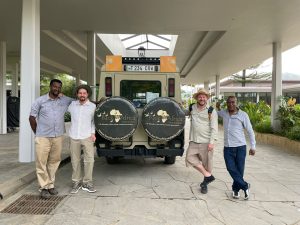
Transportation in clean, well maintained 4WD safari Land Cruise with photographic roof thatch
Service of professional & well experienced English speaking local safari driver guide
Good packed lunch
Mineral water (1.5 l per day per person)
All park fees including VAT
Items not included:
Alcoholic and soft drinks
Visa fees
Tips/gratitude for safari driver guide
All items of a person nature
Travel insurance etc.
Overview & Insight: Day Trip to Lake Manyara National Park
Lake Manyara National Park, nestled at the base of the Great Rift Valley Escarpment in Northern Tanzania, is a compact yet incredibly diverse wildlife haven spanning just 330 square kilometers—about two-thirds of which is the shallow soda lake itself. Established in 1960, it’s renowned for its dramatic landscapes: lush groundwater forests, acacia woodlands, open grasslands, and the soda lake that draws massive flocks of pink flamingos. What sets it apart? Tree-climbing lions (a rare behavior adapted to the park’s wetter conditions), massive elephant herds, and over 400 bird species, making it a birdwatcher’s paradise. A day trip here is perfect for first-time safari-goers or those short on time, offering a “soft introduction” to Tanzania’s wilderness without the intensity of larger parks like Serengeti. Expect see animals in a close range, larger mammals & cats like (lion, elephant, buffalo, leopard, giraffe, warthog, hippo, wildebeest & others.
From Arusha (the safari capital, 120 km away), it’s an easy 1.5–2-hour drive on a well-paved road, ideal for a full-day excursion. Recent traveler accounts highlight the park’s “jungle-like” greenery and vibrant wildlife, with one visitor noting “hundreds of birds in all sizes, colors, and shapes” during a guided day trip. In December (dry season), game viewing peaks as animals congregate around water sources, though mornings can be crisp—pack layers.
Getting There and Logistics
Starting Point: Most day trips depart from Arusha or Moshi (near Mount Kilimanjaro). Arusha is the hub, with easy access via Kilimanjaro International Airport (JRO, 1-hour drive) or domestic flights from Dar es Salaam.
Transportation Options:
- Guided Safari Vehicle: Recommended for safety and expertise. Opt for a 4×4 Land Cruiser with a pop-up roof for 360° views (seats 4–6). Costs: $300–$600 USD per person for a private day trip, including guide, park fees, and lunch (group tours ~$200–$350). Book via local operators like Back to Africa Safaris for tailored experiences.
- Self-Drive: Possible with a 4×4 rental (~$100/day from Arusha), but requires an International Driving Permit and anti-malarial precautions. Roads are maintained but can be dusty.
- Timing: Gates open at 6:30 AM; aim start by 6–7 AM & reach there at 8-9. Cooler temps and active animals. Exit by 6 PM.
Best Time for a Day Trip: June–October (dry season) for optimal wildlife spotting; December–February for fewer crowds and lush scenery, though brief rains are possible.
Detailed Itinerary: A Full Day in Lake Manyara
This sample itinerary assumes a 6:30 AM pickup from Arusha for a private/group tour. Adjust for self-drive.
| Time | Activity | Details & Highlights |
| 6:30–8:30 AM | Departure & Drive to Park | Breakfast at your hotel/lodge in Aerusha, then a scenic 120 km drive through Mto wa Mbu village (home to 120+ ethnic tribes—stop for a quick cultural peek if time allows). Pass banana plantations and Rift Valley views. Arrive at gate & pay fees. |
| 8:30–10:30 AM | Morning Game Drive: Forest & Lake Shore | Enter via the western gate into groundwater forest—watch for blue monkeys, bushbucks, and olive baboons (largest troops in East Africa). drive to the soda lake for larger flocks of flamingos & other birds (up to 400 species total, including pelicans and storks). Spot hippos in pools and giraffes grazing acacias. Pro Tip: Bring binoculars; birding is “suburb” here. |
| 10:30 AM–12:00 PM | Mid-Morning Exploration: Hot Springs & Escarpment | Detour to Maji Moto hot springs (bubbling up to 80°C—don’t swim, but feel the steam!). Ascend the Rift Valley escarpment for panoramic views. Look for leopards in fever trees or buffalo herds. Recent X posts rave about “huge flocks of flamingos” on this stretch. |
| 12:00–1:30 PM | Picnic Lunch | Bush lunch at a shaded picnic site (packed by your tour: sandwiches, fruits, sodas). Relax amid warthogs and impalas—keep food secured from cheeky monkeys! |
| 1:30–4:00 PM | Afternoon Game Drive: Plains & Treetops | Venture into grassy floodplains for elephants (one of Tanzania’s largest populations) and zebras. Seek tree-climbing lions lounging in acacias—a bucket-list sight. If interested, add the 370m Treetop Walkway for canopy views (extra ~$20; book ahead). Optional: Short guided walk along the shore (ranger-led, ~1 hour). |
| 4:00–5:30 PM | Late-Afternoon Drive & Exit | Wind down with sunset views over the lake. Exit gate; drive back to Arusha (arrive ~7 PM). Debrief with your guide over wildlife tallies. |
What to See and Do: Wildlife & Experiences
Lake Manyara punches above its weight—over 400 bird species and dense mammal populations in a small area.
Top Wildlife Sightings:
- Mammals: Tree-climbing lions (unique to Manyara), elephants (herds of 100+), hippos, giraffes, zebras, wildebeest, buffalo, impalas, warthogs, baboons, vervet monkeys. Leopards and hyenas are nocturnal but possible.
- Birds: Pink flamingos (thousands in wet season), pelicans, cormorants, kingfishers, hornbills—expect 100+ species in a day.
- Unique Features: Soda lake (alkaline, supports algae for flamingos), hot springs, Rift Valley escarpment (400m cliffs visible from space).
Activities:
- Game drives (core of the trip).
- Optional: Canoe safaris on the lake (~$50, seasonal) or cultural village tours.
- Night drives, no off-roading—focus on ethical, vehicle-based viewing.
Packing Essentials & Practical Tips
What to Pack:
- Neutral-colored clothing (khaki/beige; avoid bright colors).
- Binoculars, camera with zoom lens, sunscreen, hat, insect repellent (tsetse flies present but mild).
- Comfortable walking shoes, rain jacket (December showers), reusable water bottle.
- Snacks, meds (anti-malaria, motion sickness pills for winding roads).
Tips for a Smooth Trip:
- Health & Safety: Yellow fever vaccination required; malaria risk—use prophylaxis. Stay in vehicle except at designated stops; guides carry rifles.
- Sustainability: No plastic bags; support ethical operators (e.g., those funding anti-poaching).
- Mobility: Vehicle-based, so accessible for most; wheelchair-friendly tours available via specialists.
- Recent Traveler Insights: “Super green… jungle-like atmosphere” with excellent guiding; one group of teens loved the flamingos and elephants. X users echo: “A tempting introduction to Tanzania safaris.”
Why Choose Lake Manyara for a Day Trip?
It’s a “hidden gem” blending scenery, culture, and wildlife without overwhelming logistics—perfect before extending to Ngorongoro or Serengeti. Recent reviews call it “worth every minute” for its diversity and accessibility. Book early via local tour operators like Back to Africa Safaris. Ready to spot those lions in the trees? This trip will leave you hooked on Tanzania’s wild heart.