 The Ngorongoro Crater which gained a great fame globally is among the Tanzania’s major attractions hence regarded by many as the 8th nature wonder of the World. Ngorongoro Crater Tanzania is home to a large population of wildlife including the rare black rhino.
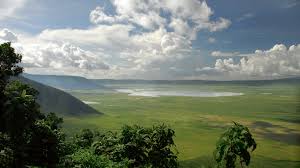
Ngorongoro Crater in Tanzania is the largest inactive, intact and unfilled volcanic caldera in the world formed about 2 to 3 million years ago. Its enormous scenery and abundance of wildlife merge to make it a wonder of the natural world. The collapsed volcano which left high walls of about 600 meters that somehow challenging your ability of vision as you gaze into it. Geographically what has always been called Ngorongoro Crater mistakenly, it is rather the largest volcanic caldera in the world, with its floor of about 300 square km (100 square miles). Ngorongoro Crater activities are including game viewing and nature walks along the Crater rim on the Northern highlands. Day trips & tours to Norongoro Crater from Arusha city can be organized at reasonable cost. Please see our rates for this Day Trip bellow. Also see more of our – Arusha Day Trips & Cultural tours
Ngorongoro Crater Wildlife
The Crater is home to a large number of wildlife supported by yearly around water supply from the highlands and enough fodder. Over 300 bird species have been recorded here among them are Egyptian geese, flamingos, black smith plover, ibises, hummer head, cormorants, heron, storks and many more.
Large mammals and plain animals are inhabit the Crater among them are wildebeest, eland, zebra, gazelles black rhino and predators like lion, hyena, cheetah, jackals and the ever illusive leopard, as they all bounded by the volcanic walls, they can be spotted in a very close range. Giraffe and impala can not be found in the crater floor, they always hanging around the crater rim possibly is due to the steepness of the crater wall or as most of the time they have to rise their heads up while walking to only have favorable blood pressure that goes to the head. It can also be luck of palatable food in the crater floor as they are browsers.
Grassland
Most of the crater floor is an open grassland, more than 24,000 large grazing animals are feeding in this area, mainly are buffalo, wildebeest, zebra, black rhino, gazelles and other smaller moving both vertebrate and invertebrates. In turn support predators such as lions, Jackals hyena, leopard and many birds of prey.
Lake Magadi
Soda Lake at the center of the crater floor gets its water from Munge River. Lake Magadi is the feeding site for some flamingos and other water birds. The Lake and pools has become hunting point for many predators that hide in the marsh to ambush large animals that come to drink. Severe dry season lake Magadi and most pools in the Crater are often dries up.
Swamp
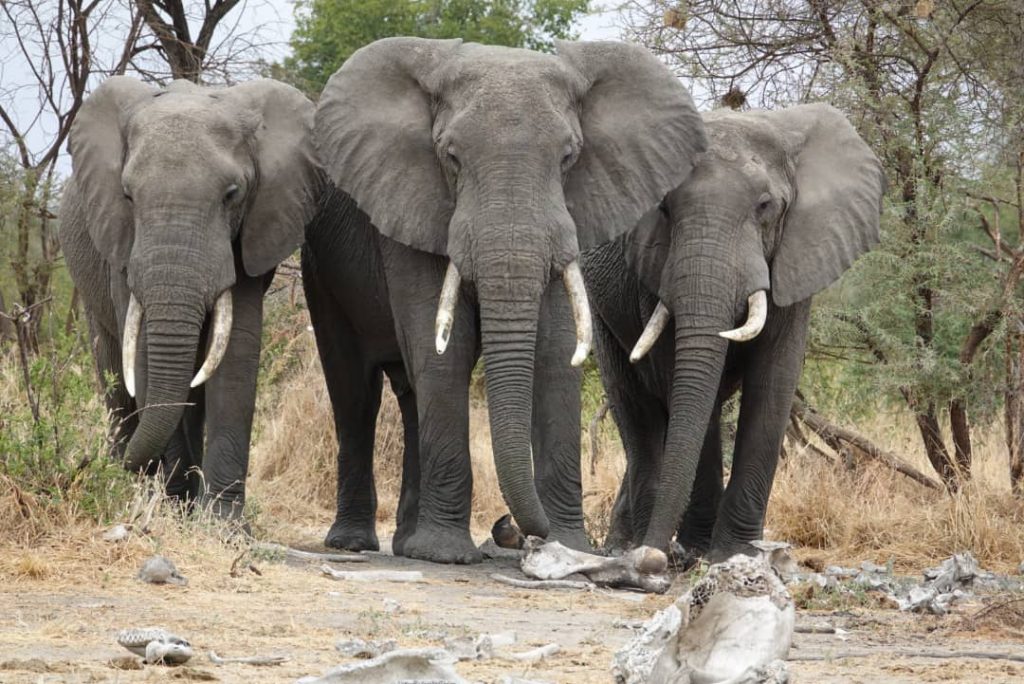
Swamps serves as a reserve for fresh water and food for big and small animals especial during the dry season. Elephants feed on giant sedge and hippos wallow in the pools other small and big animals are also coming for water and grazing at the pool side. Giant serge and tall grasses provide shelter for frogs, birds and insects while most of predators hunting around the swamps.
Lerai forest a sole forest patches on the Crater floor is providing food and shelter for the big and small animals such as velvet monkeys, baboons, bush-bucks, elephants and rhinos. Lerai is a name in Masai for yellow barked acacia.
Temperature in Ngorongoro highlands can get quite chilly in the morning and evening as the altitude is about 2300. Between November and May is the rainy season.
Camping and walking inside the Crater is strictly prohibited by the management of the Ngorongoro Conservation area. Cars allowed in the Crater are 4WD drive only and all cars should be outside the Crater floor before 18:00 hrs. Most of our Tanzania safari and Zanzibar beach packages are including one or two days in Ngorongoro.
Private Day Trip to Ngorongoro Crater Departing Arusha City at 06:00 Hours.
Price Including VAT:-
For 2 person is $ 437 per person
For 3 to 4 person is $ 335 per person
For 5 to 6 Person is $ 264 per person
Starting & ending in Arusha city, Tanzania’s Tourism Capital
Includes:-
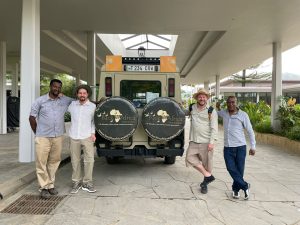
Transportation in clean, well maintained 4WD safari Land Cruise with photographic roof thatch
Service of professional & well experienced English speaking local safari driver guide
Good packed lunch
Mineral water (1.5 l per day per person)
All park fees including VAT
Items not included:-
Alcoholic and soft drinks
Visa fees
Tips/gratitude for safari driver guide
All items of a person nature
Travel insurance etc.
Overview & Insight: Day Trip to Ngorongoro Crater from Arusha
Ngorongoro Crater, located in northern Tanzania’s Ngorongoro Conservation Area (NCA), is a UNESCO World Heritage Site and one of Africa’s Seven Natural Wonders. This massive volcanic caldera—formed 2-3 million years ago from a cataclysmic eruption—spans 260 km² with walls rising 400-600 meters above a floor at 1,800 meters elevation.
It’s home to over 30,000 animals, including the Big Five (lion, elephant, buffalo, leopard, and rare black rhino), in a self-contained ecosystem of grasslands, swamps, acacia woodlands, and Lake Magadi (a seasonal soda lake teeming with flamingos). A day trip offers an intense, unforgettable wildlife immersion, often called “Africa’s Garden of Eden,” but it’s demanding due to long drives and early starts. Ideal for those based in Arusha with limited time, like post-Kilimanjaro climbers or business travelers.
Detailed Itinerary: One Day from Arusha (Most Common Starting Point)
Most day trips depart from Arusha (190 km away). The full round-trip is 380-440 km, taking 12-14 hours total. Expect a 4×4 safari vehicle with a pop-up roof for game viewing. Here’s a step-by-step breakdown based on standard tours:
| Time | Activity | Details |
| 06:00 AM | Hotel Pickup & Breakfast | Early wake-up at your Arusha hotel/lodge. Quick breakfast (or grab a packed one). Driver-guide briefs the itinerary. Pack picnic lunch, water, and sunscreen. Depart in a 4×4 vehicle. |
| 06:00-10:00 AM | Drive to NCA Gate (190-220 km) | Scenic 3–4-hour drive via tarmac roads through Mto wa Mbu village. Pass Lake Manyara for an optional aerial viewpoint stop (10-15 mins) at the edge of Great East African Rift Valley, local farms & villages at Ngorongoro Highlands Enter NCA gate (pay fees on-site or pre-included). Ascend crater rim for panoramic views—mist often clears to reveal the vast bowl. |
| 10:00-10:30 AM | Descent into Crater | 20-30 min winding descent (600m high walls) to the floor. Spot early wildlife like hyenas or zebras en route. |
| 10:30 AM-01:00 PM | Morning Game Drive | 2.5-hour exploration of the crater floor. Focus on Lerai Forest (elephants, rhinos) and grasslands (lions, wildebeest herds). High chance of Big Five sightings—black rhinos are crater-exclusive. Guide shares ecology insights; vehicles limited to 6 guests for intimacy. |
| 01:00-02:00 PM | Picnic Lunch at Hippo Pool | Relaxed break at the Hippo Pool picnic site (swampy area with hippos basking). Enjoy boxed lunch (sandwiches, fruit, veggies—vegetarian options available). Watch birds (flamingos, ostriches) and distant herds. Toilets available; keep food sealed against monkeys. |
| 02:00-04:30 PM | Afternoon Game Drive | Another 2.5 hours circling ecosystems: Magadi Lake for flamingos, swamps for buffalo/leopards, and open plains for cheetahs. Afternoon light enhances photos; look for golden jackals or vultures. Total crater time: 5-6 hours (max allowed for day visitors). |
| 04:30-05:00 PM | Ascent & Exit | Steep 20-30 min climb out. Brief stop at crater rim for sunset views if time allows. |
| 05:00-09:00 PM | Return Drive to Arusha | 3–4-hour drive back, arriving by 7- 8 PM. Traffic lightens post-sunset; debrief with guide en route. Drop-off at hotel or airport. |
Adaptations: From Dar es Salaam, fly to Arusha first (1.5-hour flight). For Karatu (closer, 20 km), extend crater time to 7 hours but add a night nearby.
What to Expect: Wildlife and Highlights
- Wildlife Density: Unrivaled—25,000+ large mammals in a compact space. 90% Big Five success rate; no giraffes (can’t descend steep walls).
- Key Spots: Hippo Pool (hippos, crocs), Lerai Acacia Grove (rhinos, birds), Ganda River (elephants), Magadi Lake (flamingos).
- Unique Vibes: Dramatic caldera views, Maasai herdsmen coexisting with wildlife, misty mornings turning to golden afternoons.
- Photography Tips: Golden hour (post-lunch) for landscapes; use a 300mm+ lens for distant animals. Drones prohibited.
Packing Essentials
Prepare for variable weather (cool mornings 10-15°C, hot afternoons 25-30°C; rain possible year-round).
| Category | Must-Haves | Why? |
| Clothing | Lightweight layers, long sleeves/pants (insect repellent), hat, comfortable hiking shoes/boots, fleece/jacket for rim. Neutral colors (khaki/green). | Sunburn/malaria protection; gravelly terrain; chilly descent/ascent. |
| Gear | Binoculars, camera/phone with extra battery, reusable water bottle, daypack. | Wildlife viewing; long day (power banks essential—no outlets in crater). |
| Health/Safety | Sunscreen (SPF 50+), insect repellent, malaria pills, hand sanitizer, snacks (nuts/energy bars). Basic first-aid (band-aids, painkillers). | High UV; tsetse flies; dusty roads. Vaccinations: Yellow fever, hepatitis advised. |
| Documents | Passport, visa, NCA permit (pre-arranged via tour), cash (USD/TZS for tips ~$20/person). | Border/gate checks; tips for guides (~$15-20/day). |
Costs and Booking
- Total Cost: $500-850 per person (private 4×4 for 1-6 people; shared cheaper at $300-400). Includes: Transport, park fees ($70/person + crater fee $295), guide, lunch, water. Excludes: Tips, drinks, flights.
- Booking: Use operators like Tanzania Joy Tours, Monkey Adventures, or Ahsante Safaris via SafariBookings.com (106+ options). Book 1-2 weeks ahead; minimum 2 people. Viator/TripAdvisor for reviews (4.5-5 stars average).
- Best Time: Dry season (June-Oct) for clear views; avoid peak July-Aug crowds.
Practical Tips and Safety
- Early Start: Vital—gates close at 6 PM; late entry risks missing crater time.
- Vehicle Comfort: Pop-top jeeps beat buses; English-speaking guide.
- Sustainability: No off-roading; follow “leave no trace.” Support Maasai communities via cultural stops.
- Challenges: Long drives bumpy; altitude (2,300m rim) may cause mild headaches—hydrate. Not ideal for mobility issues or young kids (steep roads).
- Health Note: Consult a doctor for malaria prophylaxis; travel insurance mandatory.
This itinerary maximizes your time for a bucket-list experience—wildlife magic in a geological marvel. For custom tweaks, contact a local operator Back to Africa Safaris. Safe travels!